Cold outreach has always been a numbers game: until now. The traditional approach forced sales teams into an impossible choice: send hundreds of generic emails that get ignored, or craft personalized messages one by one and barely reach anyone. But what if you could have both volume and personalization? What if AI could handle the heavy lifting while you focus on building relationships?
That’s exactly what’s happening in sales today. AI-powered cold outreach is transforming how businesses connect with prospects, turning what used to be a time-consuming, hit-or-miss process into a precision instrument for revenue generation.
The Cold Outreach Challenge: Why Most Campaigns Fail
Before diving into solutions, let’s face the harsh reality of cold outreach. Most campaigns fail spectacularly. Average open rates hover around 20%, response rates rarely exceed 2%, and conversion rates? Don’t even ask.
The problem isn’t that cold outreach doesn’t work: it’s that most people are doing it wrong. Generic templates, poor timing, irrelevant messaging, and zero follow-up create a perfect storm of mediocrity. Prospects can smell a mass email from a mile away, and their delete buttons are ready.
But here’s what’s changed: AI can now research prospects, understand their business challenges, craft personalized messages, and manage entire sequences automatically. It’s like having a team of research assistants and copywriters working 24/7, but without the overhead.
How AI Transforms Cold Outreach: The Three Pillars
1. Intelligent Research and Lead Discovery
Modern AI platforms scan thousands of data points to identify ideal prospects. Instead of buying generic lead lists, AI agents continuously monitor company growth signals, funding announcements, technology changes, and hiring patterns to find prospects at the perfect moment.
Think about it: when a company just raised Series A funding or hired their first Head of Sales, they’re probably ready to invest in tools that help them scale. AI catches these signals in real-time and automatically adds qualified prospects to your sequences.
2. Automated Personalization at Scale
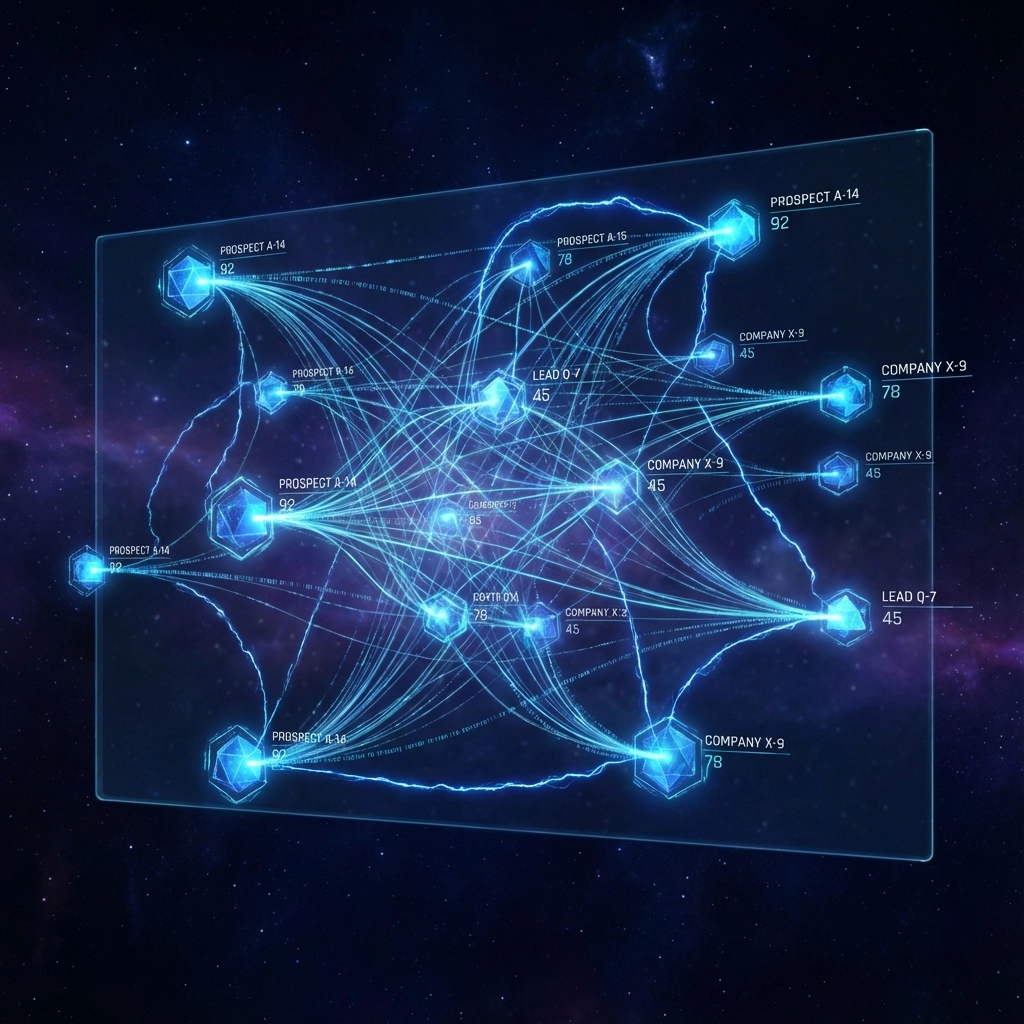
This is where the magic happens. AI doesn’t just insert first names into templates: it researches each prospect’s company, industry challenges, recent news, and social media activity to craft genuinely relevant messages.
For example, if you’re selling to HR directors and AI discovers that a prospect’s company just announced remote work policies, it can reference that change and position your solution as helping manage distributed teams. This level of research used to take hours per prospect. Now it happens in seconds.
3. Intelligent Sequence Management
AI manages entire email sequences, adjusting timing, messaging, and channels based on engagement patterns. If someone opens multiple emails but doesn’t reply, the system might switch to LinkedIn or try a different angle. If they engage with certain content topics, future messages focus on those areas.
The system learns what works for different prospect types and continuously optimizes your campaigns without manual intervention.
Building Your AI-Powered Outreach System
Step 1: Define Your Ideal Customer Profile (ICP)
Before AI can find great prospects, it needs to know what you’re looking for. Create detailed buyer personas including:
- Company size and industry
- Technology stack indicators
- Recent business events (funding, expansion, etc.)
- Job titles and seniority levels
- Geographic requirements
The more specific your ICP, the better AI can target prospects who actually need your solution.
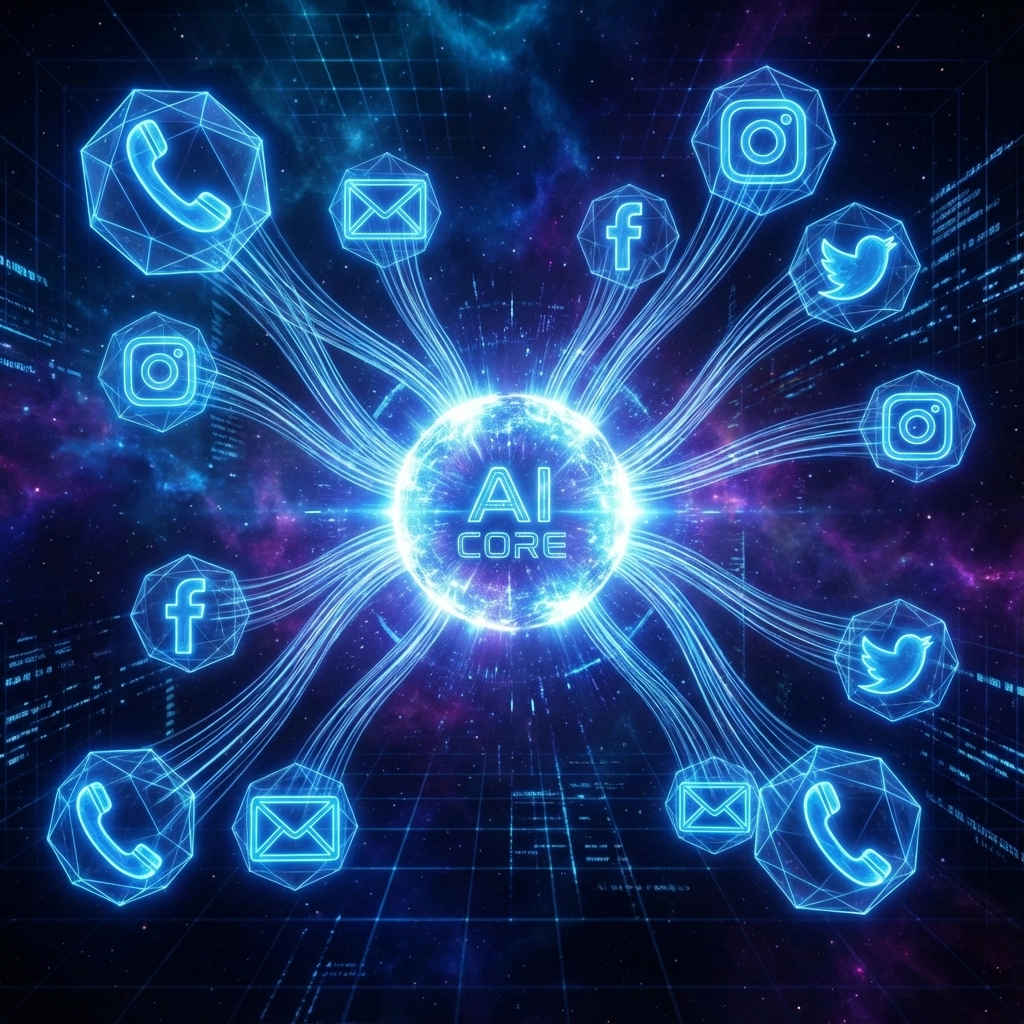
Step 2: Set Up Multi-Channel Sequences
Modern outreach isn’t just about email. Effective campaigns combine:
- Email sequences (primary channel)
- LinkedIn connection requests and messages
- Phone calls (AI can even leave personalized voicemails)
- Social media engagement
AI orchestrates these touchpoints to create a cohesive experience that feels natural, not overwhelming.

Step 3: Create Dynamic Message Templates
Instead of static templates, create frameworks that AI can customize. For example:
“Hi [First Name], I noticed [Company] recently [trigger event]. Companies like yours often struggle with [pain point] during [situation]. We’ve helped similar businesses [specific benefit]. Worth a quick chat about [relevant outcome]?”
AI fills in the bracketed sections with prospect-specific information, creating unique messages every time.
Step 4: Implement Continuous Testing and Optimization
AI excels at A/B testing subject lines, message content, send times, and follow-up intervals. Set up experiments to test:
- Different value propositions
- Various email lengths
- Multiple call-to-actions
- Different personalization approaches
The system automatically routes prospects to winning variations and pauses underperforming elements.
Advanced AI Strategies for Better Results
Trigger-Based Outreach
Instead of batch-and-blast campaigns, set up AI to respond to specific events:
- Company announcements
- Job postings
- Technology adoptions
- Executive changes
- Funding rounds
When these triggers fire, AI immediately researches the opportunity and launches targeted sequences while the timing is perfect.
Intent Signal Detection
AI monitors digital body language to identify prospects showing buying intent:
- Visiting pricing pages multiple times
- Downloading specific resources
- Engaging with competitor content
- Searching for solution-related keywords
High-intent prospects receive priority treatment and more aggressive outreach sequences.
Conversation Intelligence
When prospects do engage, AI analyzes response sentiment and content to guide next steps:
- Positive responses trigger accelerated sequences
- Objections activate educational content paths
- Questions prompt specific follow-up approaches
- Out-of-office replies pause sequences appropriately
Measuring Success: Key Metrics for AI-Driven Outreach
Traditional metrics like open rates only tell part of the story. Focus on:
Leading Indicators:
- Prospect quality scores
- Personalization accuracy
- Sequence completion rates
- Channel engagement distribution
Revenue Metrics:
- Meeting booking rates
- Pipeline generated
- Deal velocity
- Customer acquisition cost
Optimization Data:
- A/B test performance
- Message variant effectiveness
- Channel contribution analysis
- Time-to-response patterns
Common Pitfalls to Avoid
Over-Automation
AI handles research and personalization, but maintain human oversight. Review messages before they send, especially for high-value prospects. The goal is efficiency, not replacing human judgment entirely.
Ignoring Deliverability
Sophisticated personalization means nothing if emails land in spam folders. Maintain proper sending infrastructure, warm up domains gradually, and monitor sender reputation metrics.
Generic Value Propositions
Even with AI personalization, generic value props kill campaigns. Develop specific, measurable value statements for different industries and use cases.
Neglecting Follow-Up
Most sales happen after multiple touchpoints, but many campaigns stop after 2-3 emails. AI can manage longer sequences without feeling pushy by varying content and channels.
The Future of AI-Powered Outreach
We’re just scratching the surface. Emerging capabilities include:
- Voice AI integration for automated phone outreach
- Video personalization at scale
- Predictive timing optimization
- Cross-platform behavior tracking
- Real-time conversation coaching
Companies investing in AI outreach capabilities now are building sustainable competitive advantages. As buyers become more sophisticated, only personalized, relevant outreach will cut through the noise.
The question isn’t whether AI will transform cold outreach: it already has. The question is whether you’ll adapt quickly enough to capitalize on the opportunity. Because while you’re debating, your competitors are already scaling personalized outreach that would have been impossible just two years ago.
Start small, test continuously, and let AI handle the heavy lifting while you focus on what humans do best: building genuine relationships and closing deals.