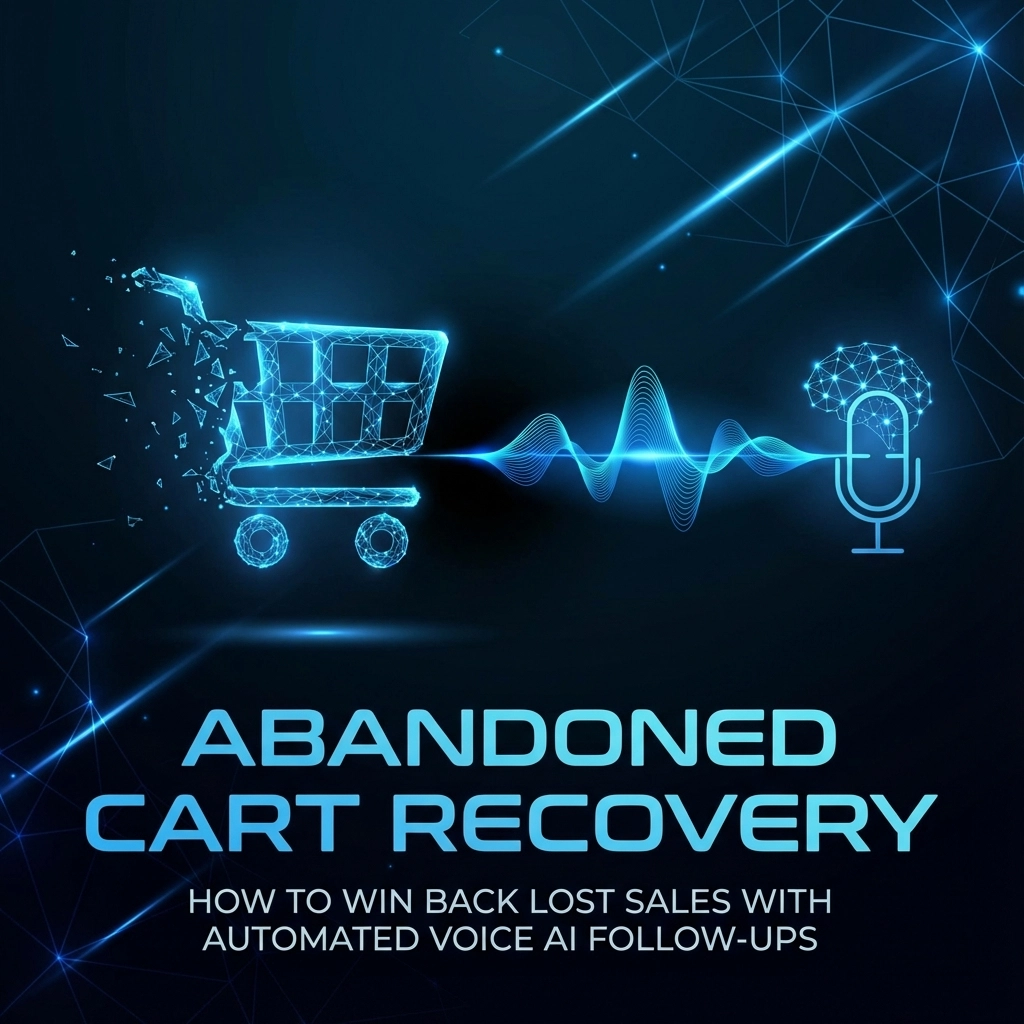
Picture this: A customer spends 15 minutes browsing your online store, adds three items to their cart, enters their shipping information, then suddenly… they’re gone. Sound familiar? You’re definitely not alone.
Cart abandonment is one of e-commerce’s biggest headaches, with rates consistently hovering between 65-80% across most industries. That means for every 10 potential sales, you’re losing 6-8 of them before customers even complete checkout. The reasons vary, unexpected shipping costs, complicated checkout processes, payment security concerns, or simple distractions, but the result is always the same: lost revenue.
Here’s the thing though: most of those “lost” customers aren’t actually lost. They just need the right nudge at the right time. While most businesses rely on generic email reminders or SMS alerts, there’s a game-changing approach that’s recovering up to 30% more abandoned sales: automated voice AI follow-ups.
Why Traditional Recovery Methods Fall Short
Let’s be honest, when was the last time you got excited about receiving an abandoned cart email? These automated messages typically achieve open rates of just 10-20%, and even when customers do open them, the conversion rates remain disappointingly low.
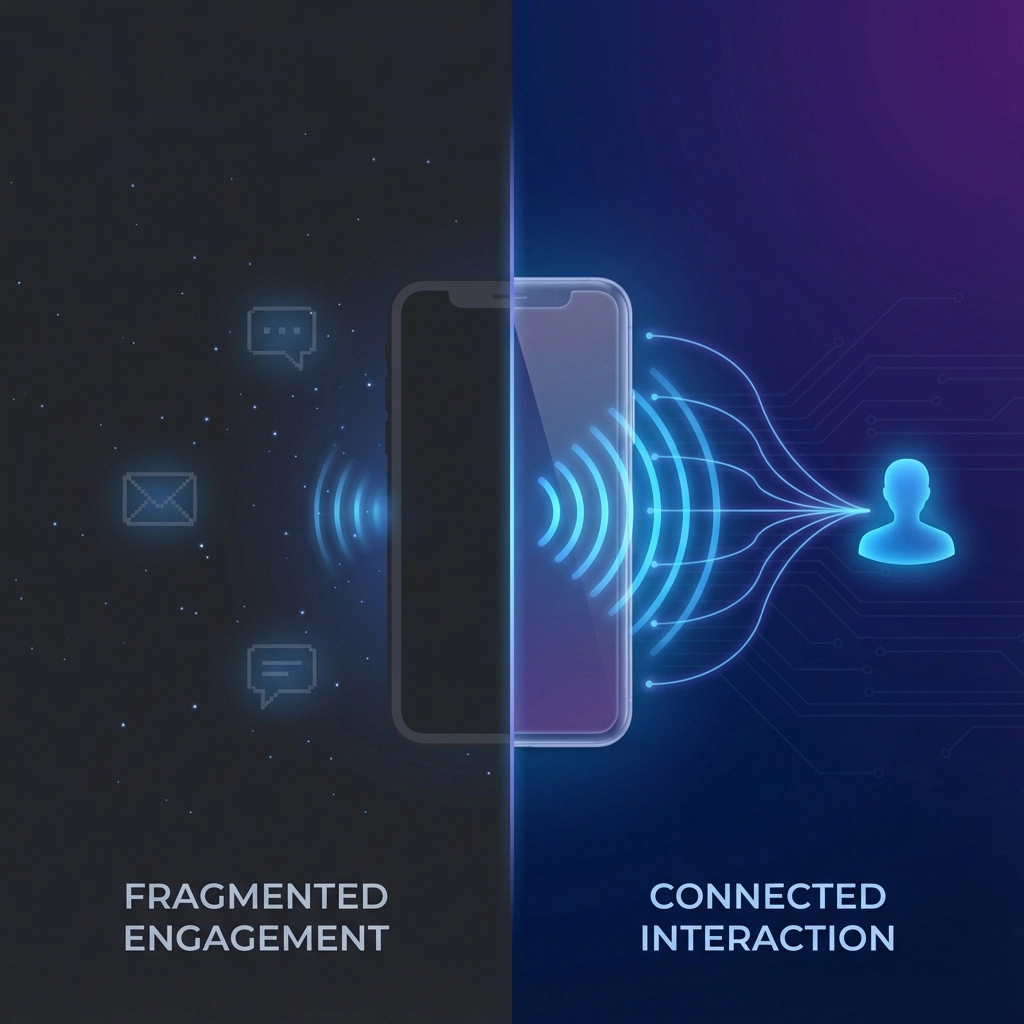
SMS performs slightly better with higher open rates, but it’s still a one-way communication channel. Customers can’t ask questions, voice concerns, or get immediate help with whatever issue caused them to abandon their cart in the first place.
That’s where voice AI changes everything. Instead of sending another easily ignored email, imagine if a friendly AI assistant could actually call your customers, have a real conversation about their shopping experience, and address their specific concerns in real-time.
The Power of Conversational Cart Recovery
Voice AI transforms abandoned cart recovery from a static marketing tactic into a dynamic customer service experience. Here’s how it works:
When a customer abandons their cart, the system immediately triggers a recovery workflow. Within minutes (or at an optimal time you choose), an AI voice assistant places a personal call to the customer. But this isn’t your typical robocall, it’s a sophisticated conversational agent that can understand natural speech, respond appropriately, and adapt the conversation based on the customer’s responses.
The AI might start with something like: “Hi Sarah, this is Emma from [Your Store]. I noticed you were shopping with us earlier and had a few items in your cart. I wanted to check if there was anything I could help you with to complete your order?”
From there, the conversation flows naturally. If the customer mentions concerns about shipping costs, the AI can offer a shipping discount. If they’re unsure about sizing, it can provide detailed product information or connect them with a human specialist. If they simply forgot, the AI can send them a direct checkout link via SMS while they’re on the call.
Setting Up Your Voice AI Recovery System
Getting started with voice AI cart recovery is simpler than you might think. Modern platforms integrate seamlessly with popular e-commerce systems like Shopify, WooCommerce, and BigCommerce through APIs and webhooks.
Integration Process
First, the voice AI platform connects to your e-commerce store to monitor cart activity. When abandonment occurs, the system captures relevant data: what items were in the cart, the customer’s contact information, their purchase history, and any browsing behavior that might indicate their preferences or concerns.
This data feeds into the AI’s conversation engine, allowing it to personalize each interaction. Instead of generic scripts, the AI references specific products, mentions relevant promotions, and tailors its approach based on the customer’s profile.
Timing Your Outreach
The timing of your voice AI follow-ups can make or break their effectiveness. Here’s a proven sequence that works well for most businesses:
Immediate Response (0-30 minutes): For high-value carts or returning customers, an immediate follow-up often catches people while they’re still thinking about the purchase.
First Follow-up (1-4 hours): This catches customers who might have been interrupted during their initial shopping session.
Second Follow-up (24-48 hours): A gentle reminder for customers who haven’t responded to earlier outreach.
Final Follow-up (72 hours-1 week): A last attempt with perhaps a special incentive to create urgency.

Crafting Conversations That Convert
The magic of voice AI cart recovery lies in the conversation quality. Unlike rigid phone scripts, modern AI can handle natural dialogue flow while staying focused on the goal: helping customers complete their purchase.
Personalization at Scale
Every conversation should feel personal, even though it’s automated. The AI should reference specific items by name, acknowledge the customer’s browsing history, and offer relevant suggestions based on their preferences.
For example: “I see you were looking at our wireless headphones in blue. Those are really popular right now, and we actually have a promotion running where you can get 15% off if you complete your order today. Would you like me to apply that discount for you?”
Addressing Common Objections
Voice AI excels at handling the most common reasons for cart abandonment in real-time:
Price Concerns: The AI can offer relevant discounts, highlight value propositions, or suggest payment plans.
Shipping Issues: It can explain shipping options, offer expedited delivery, or provide free shipping thresholds.
Product Questions: The AI can provide detailed specifications, size guides, or even connect customers with human experts for complex inquiries.
Technical Problems: If customers experienced checkout issues, the AI can troubleshoot or provide alternative ordering methods.
Maximizing Results Through Multi-Channel Integration
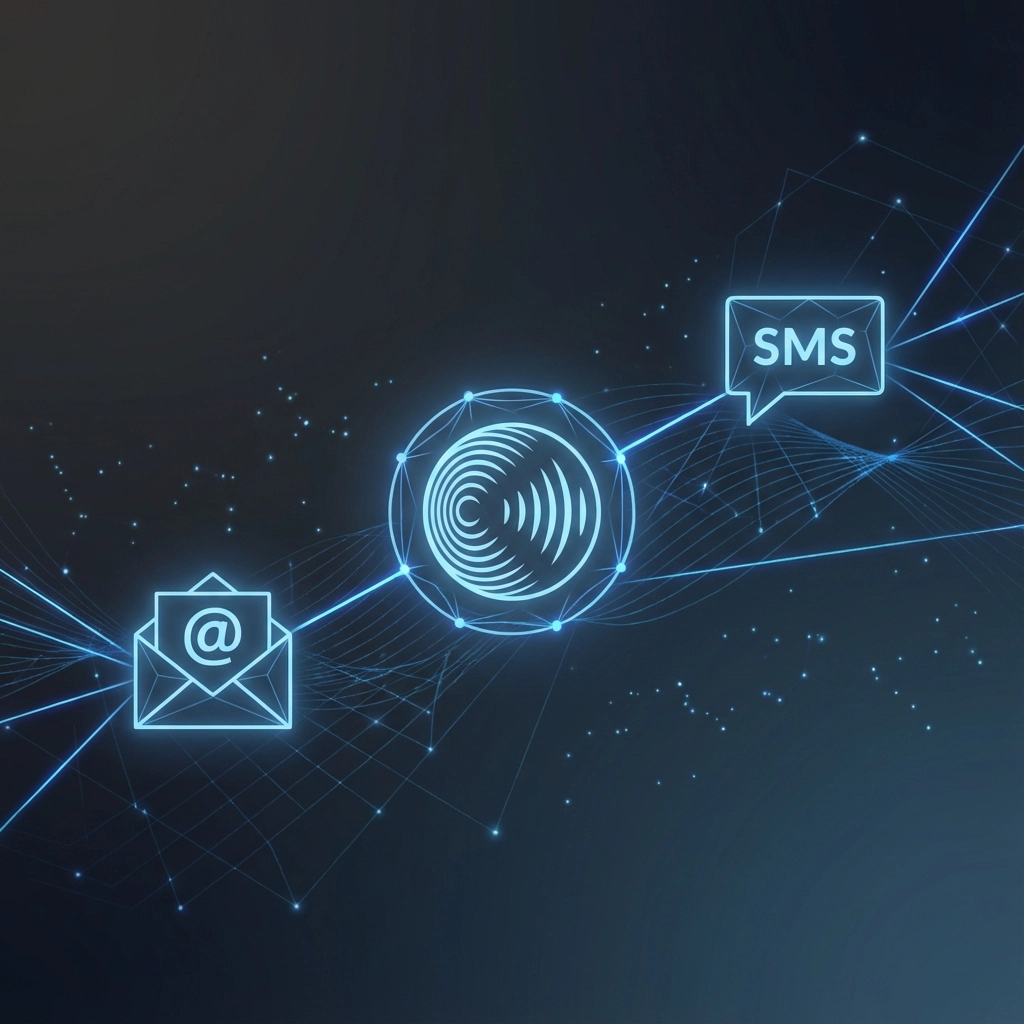
Voice AI works best as part of a comprehensive recovery strategy, not as a standalone solution. The most effective approaches combine voice outreach with other channels:
Email + Voice Combo: Start with a brief email reminder, then follow up with a voice call for non-responders. This gives customers multiple touchpoints and respects their communication preferences.
SMS Integration: During voice calls, the AI can instantly send checkout links, discount codes, or product information via SMS, creating a seamless experience that bridges voice and text.
CRM Synchronization: All interactions sync with your customer relationship management system, ensuring your team has complete visibility into recovery efforts and customer responses.
Measuring Success and ROI
Voice AI cart recovery platforms provide detailed analytics that help you optimize your approach:
Recovery Rate Metrics: Track what percentage of abandoned carts are successfully converted through voice outreach versus other channels.
Conversation Quality: Monitor call duration, customer sentiment, and resolution rates to identify areas for script improvement.
Revenue Attribution: Calculate the direct revenue impact of voice AI recovery compared to your total abandoned cart value.
Cost Per Acquisition: Compare the cost of voice AI recovery to other marketing channels to determine ROI.
Most businesses see measurable improvements within 2-4 weeks of implementation, with full optimization typically achieved within 6-8 weeks of testing and refinement.
Implementation Best Practices
To maximize your voice AI cart recovery success, keep these best practices in mind:
Respect Customer Preferences: Always provide easy opt-out options and respect do-not-call lists. The goal is helpful outreach, not harassment.
Train Your AI Properly: Invest time in developing conversation flows that sound natural and address your specific customer concerns.
Monitor and Iterate: Regularly review call recordings and customer feedback to improve script quality and conversation outcomes.
Have Human Backup: Ensure smooth handoffs to human agents for complex situations that require personal attention.
Test Timing Carefully: A/B test different call timing strategies to find what works best for your specific audience and product types.
The Future of E-commerce Recovery
As voice AI technology continues advancing, we can expect even more sophisticated cart recovery capabilities. Future developments might include emotion detection to adjust conversation tone, predictive analytics to identify which customers are most likely to respond to voice outreach, and even more natural language processing for complex product inquiries.
For businesses ready to move beyond traditional email and SMS recovery, voice AI offers a compelling opportunity to recapture lost revenue while providing genuine value to customers. By transforming abandoned carts from a marketing problem into a customer service opportunity, voice AI helps businesses recover sales while building stronger customer relationships.
The question isn’t whether voice AI will become standard for cart recovery: it’s whether your business will be an early adopter or play catch-up later. With implementation times as short as a few days and measurable results within weeks, there’s never been a better time to explore how conversational AI can transform your abandoned cart recovery efforts.