Running a business without social proof is like trying to sell ice to penguins: technically possible, but unnecessarily difficult. Customer reviews are the digital equivalent of word-of-mouth recommendations, and they can make or break your online reputation. The challenge? Getting customers to actually leave those reviews without constantly chasing them manually.
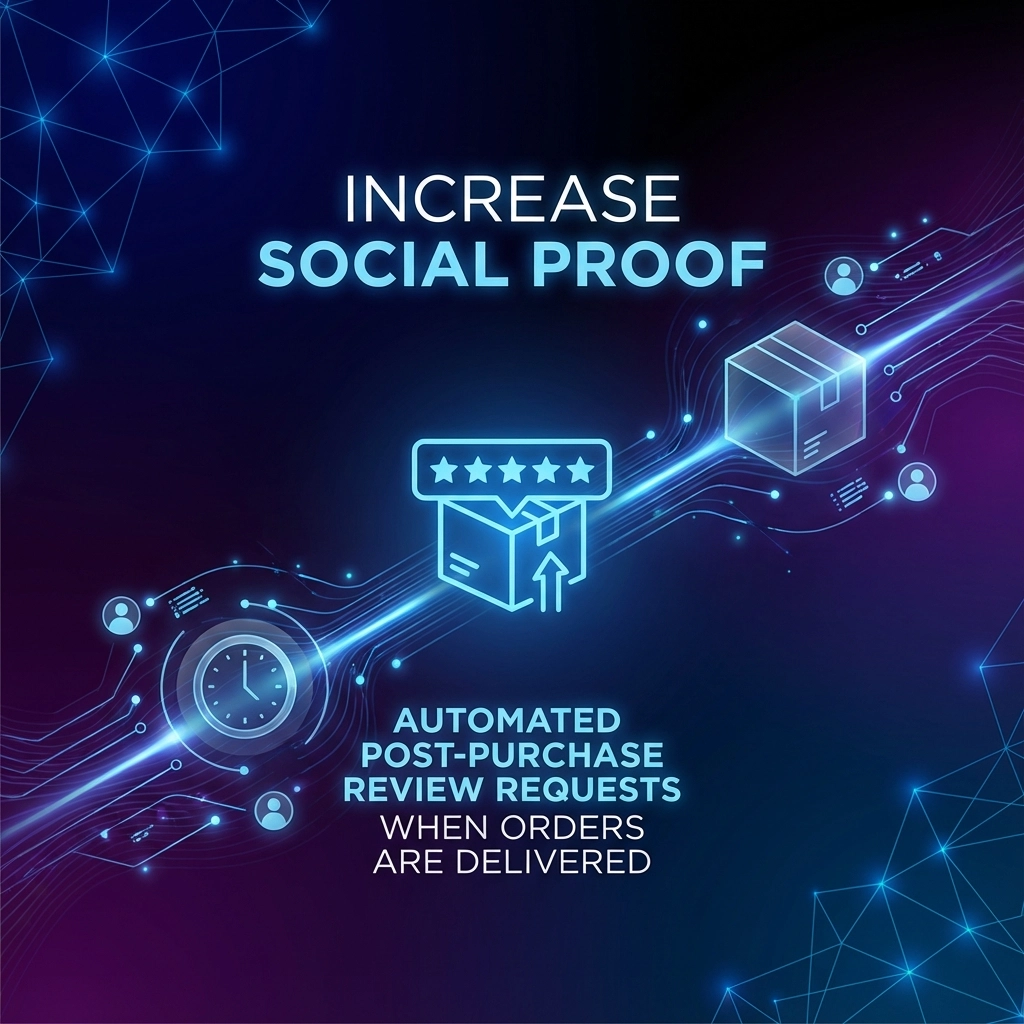
Here’s the game-changer: automated post-purchase review requests triggered when orders are delivered. This approach captures customers at the perfect moment: when their experience is fresh and their satisfaction levels are at their peak.
Why Timing Is Everything in Review Requests
The window for collecting reviews is surprisingly narrow. Send the request too early, and customers haven’t had time to properly experience your product. Wait too long, and they’ve moved on mentally to their next purchase. The sweet spot? Right after delivery confirmation, when the excitement of receiving their order is still present.
Research shows that over 90% of all reviews come from post-purchase review requests, making this the primary channel for building your review portfolio. But timing isn’t just about when you send the request: it’s about creating a seamless experience that feels natural rather than pushy.

Setting Up Your Automated Review Workflow
Creating an effective automated review system requires connecting several moving parts. Your e-commerce platform needs to communicate with your automation tool, which then triggers review requests across multiple channels. This is where n8n shines as an automation platform: it can connect virtually any service without requiring coding expertise.
The basic workflow looks like this: Order status changes to “Delivered” → Wait period (typically 2-3 days) → Send personalized review request → Follow up if no response after a week. Simple in concept, but the devil is in the details of execution.
Your automation should include data from the original purchase, customer preferences, and delivery confirmation. This ensures each request feels personal and relevant rather than like a generic mass email.
Multi-Channel Strategy for Maximum Reach
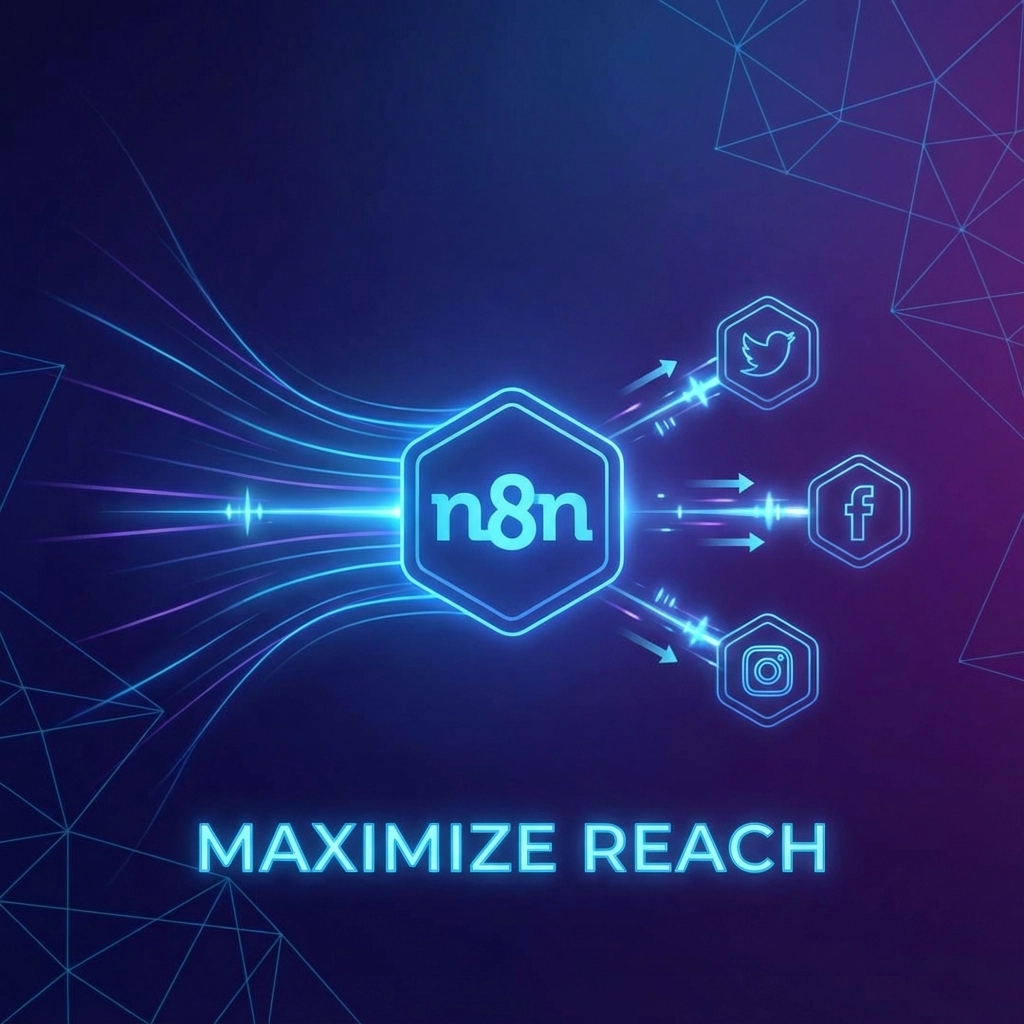
Different customers prefer different communication methods, and your review request strategy should reflect this diversity. Email remains the most common channel, but SMS achieves nearly 98% open rates with 95% of messages read within three minutes. WhatsApp offers a more personal touch, while in-app notifications work well for digital-native audiences.
The key is not to spam customers across all channels simultaneously, but to choose the most appropriate channel based on their preferences and behavior patterns. If a customer typically engages with your SMS campaigns, that’s likely your best bet for a review request.

Personalization That Actually Works
Generic review requests perform poorly because they feel impersonal and automated: even when they are automated. The trick is making automation feel human through smart personalization. This means including the customer’s name, specific product details, and relevant context from their purchase.
Effective personalized requests might reference the specific item purchased, acknowledge the delivery location, or mention any special circumstances from the order. The goal is to remind customers of their positive experience while making the request feel like it’s coming from a real person who cares about their satisfaction.
Implementing Voice AI for Enhanced Follow-Up
This is where Zuluz AI voice technology adds a unique dimension to your review strategy. While most businesses stick to text-based requests, voice messages can dramatically improve response rates by adding a human element that feels more personal and urgent.
Imagine your customers receiving a brief, friendly voice message thanking them for their purchase and asking for feedback. The voice can be customized to match your brand personality, and the message can include specific details about their order. This approach stands out in a crowded inbox and feels significantly more personal than another email.

Smart Feedback Filtering
Not all feedback should go directly to public review platforms. Smart businesses implement a filtering system that routes satisfied customers to public review sites while directing dissatisfied customers to private feedback channels. This protects your public reputation while still capturing valuable insights for improvement.
The process works by first asking customers to rate their satisfaction on a simple scale. High ratings get directed to Google, Yelp, or your website review section. Lower ratings trigger a private feedback form where you can address concerns before they become public negative reviews.
Integration Requirements and Setup
Successful automation requires integrating several systems: your e-commerce platform (Shopify, WooCommerce, etc.), customer relationship management (CRM) system, email/SMS platform, and review platforms. n8n excels at connecting these disparate systems without requiring technical expertise or custom coding.
The integration should automatically capture order data, delivery confirmations, customer contact preferences, and historical interaction data. This information feeds into your automated workflows, ensuring each review request is timely, relevant, and properly formatted for the chosen channel.

Continuous Testing and Optimization
Automation doesn’t mean “set it and forget it.” Successful review programs require continuous testing and refinement. This includes A/B testing subject lines, message copy, timing intervals, and channel selection. Small improvements in these areas can lead to significant increases in response rates.
Monitor key metrics like open rates, click-through rates, review submission rates, and overall sentiment of received reviews. Use this data to refine your messaging, adjust timing, and optimize channel selection for different customer segments.
Measuring Success and ROI
The impact of automated review requests extends beyond just collecting more reviews. Increased review volume improves search engine visibility, builds consumer trust, and provides valuable feedback for product and service improvements. Track metrics like review volume, average rating, response rates, and the impact on conversion rates.
Many businesses see review volume increase by 300-500% after implementing automated systems, with corresponding improvements in search rankings and conversion rates. The key is measuring not just quantity but quality: ensuring your automated requests generate genuine, helpful reviews that benefit both your business and future customers.
Getting Started Without the Technical Headaches
The beauty of modern automation tools like n8n combined with AI voice technology from Zuluz is that you don’t need a development team to implement sophisticated review request systems. These platforms offer pre-built templates and drag-and-drop interfaces that make complex automations accessible to non-technical users.
Start simple with email-based requests triggered by delivery confirmations, then expand to include SMS, voice messages, and more sophisticated personalization as you become comfortable with the system. The goal is creating a sustainable process that consistently captures customer feedback without overwhelming your team or annoying your customers.

Beyond Reviews: Building Long-Term Relationships
While gathering reviews is the immediate goal, automated post-purchase communication creates opportunities for deeper customer relationships. Use these touchpoints to offer related products, invite customers to loyalty programs, or simply thank them for their business. The review request becomes part of a broader customer experience strategy that builds long-term value.
Remember that every automated interaction is an opportunity to reinforce your brand values and demonstrate that you care about customer satisfaction beyond just making the sale. When done well, automated review requests don’t feel like automation: they feel like genuine outreach from a business that values its customers’ opinions and experiences.
The result? A steady stream of authentic reviews that build social proof, improve search visibility, and create a feedback loop for continuous improvement: all without manual effort or technical complexity.